Learn about the Crucial Functions Offered by a Commercial General Contractor for Your Upcoming Venture
In the building sector, a general contractor is critically important in achieving a successful outcome. Their services encompass full project control, cost management, and organizing different groups. This skill set does more than smooth execution but also handles regulatory adherence and quality assurance - Hickory top rated Commercial General Contractor. Grasping these crucial offerings can greatly influence the success of your venture. What key advantages can a construction manager offer your your next venture?
Comprehensive Project Management
Effective project oversight is necessary for the successful execution of development ventures. It involves a organized strategy that includes planning, coordination, and management of a build from beginning to end. A commercial general contractor is key in this process, guaranteeing that all elements of the job align with the client's vision and compliance mandates.
Successful project oversight means establishing project scopes, timelines, and deliverables while maintaining clear communication among stakeholders. The contractor coordinates subcontractors, handles supplies and equipment, and oversees quality assurance to guarantee that meets defined requirements. Additionally, a detailed project management strategy incorporates risk management techniques to identify potential challenges early and create solutions.
Ultimately, effective oversight encourages cooperation, simplifies operations, and enhances the likelihood of completing a build on time and within budget and scope, thereby maximizing client satisfaction and successful outcomes.
Budget Oversight and Expenditure Control
Successful project oversight necessitates the need for stringent budgeting and financial oversight. A GC is essential in establishing a clear financial framework for a project. This includes thorough budget forecasting based on project specifications, labor, materials, and tools. By recognizing budget threats in advance, the contractor can put plans into action to address these problems, ensuring that the project remains within budget.
In addition, regular review of costs throughout the project lifecycle is critical. The general contractor utilizes tools and methods to measure spending compared to the budget, enabling proactive adjustments as needed. This meticulous methodology is key to preventing cost overruns but also improves fiscal responsibility among all stakeholders. In the end, sound financial planning and cost management create a clear fiscal atmosphere, which permits educated choices and the distribution of resources, a factor essential for the successful delivery of all construction work.
Coordination of Subcontractors and Suppliers
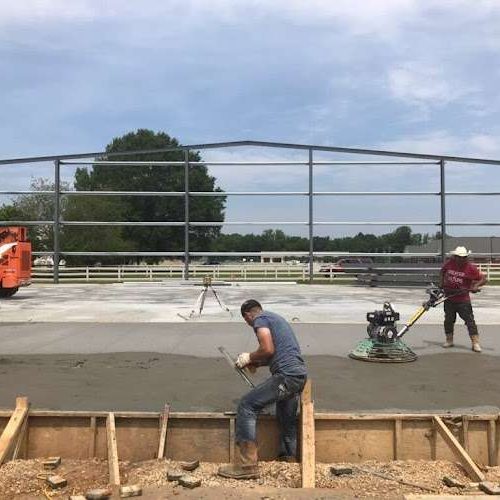
During the execution of a project, the coordination of subcontractors and suppliers is vital for keeping the workflow efficient and adhering to schedules. A commercial general contractor is instrumental in managing these connections, making sure every party is in sync with the project schedule and deliverables. Open dialogue among subcontractors, suppliers, and the general contractor is essential to minimize holdups and avert costly errors.
The contractor start now manages the planning of subcontractor work sequences, which helps to streamline operations and maximize resource deployment. Moreover, they oversee material purchasing from suppliers, ensuring that necessary resources are delivered on time and within budget. By overseeing these important interactions, the general contractor can swiftly address any issues that arise, facilitating a smoother construction process. In the end, this concerted effort not only enhances project efficiency but also is key to the successful outcome of the construction endeavor, guaranteeing a flawless assembly of all parts.
Meeting Building Codes and Regulatory Standards
Adhering to building codes and regulatory standards is a core duty of a commercial general contractor, because ignoring these standards can lead to significant legal and financial repercussions. A commercial general contractor must possess a thorough understanding of federal, state, and local laws that pertain to construction work. This expertise enables them to navigate complex legal frameworks, ensuring that all aspects of the project—from design to execution—comply with necessary standards.
Moreover, contractors typically partner with engineers, architects, and governing agencies to verify that plans and specifications align with code requirements. By conducting regular inspections and assessments, the contractor can spot potential non-compliance quickly, lessening risk and averting costly postponements. Ultimately, a strong commitment to regulatory compliance preserves the contractor's reputation but also protects the interests of clients, guaranteeing successful project completion and without undue difficulty.
Ensuring Quality and Monitoring Safety
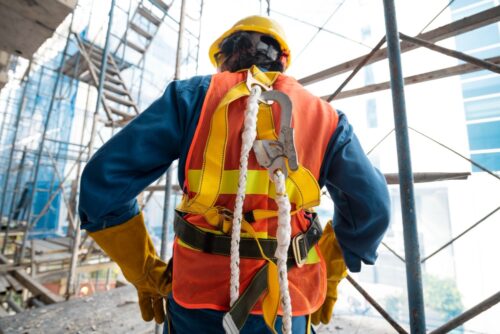
Quality assurance and safety oversight form vital parts of a commercial general contractor's role, that fundamentally influence the integrity and outcome of construction projects. These measures ensure that all work abides by defined specifications
A reliable general contractor implements rigorous inspection processes to verify that materials and workmanship align with project specifications - Hickory top rated Commercial General Contractor. Scheduled site assessments take place to spot potential dangers and ensure safety compliance among workers. This preventative method not only protects personnel but also prevents costly delays and rework resulting from safety incidents or quality issues
In addition, clear communication between the contractor, subcontractors, and suppliers is essential in upholding quality benchmarks throughout the project lifecycle. By prioritizing quality assurance and safety oversight, a commercial general contractor cultivates responsibility, which helps ensure the successful completion of projects on time and under budget
Frequently Asked Questions
What Kinds of Projects Can a Commercial General Contractor Undertake?
A commercial general contractor can undertake many types of projects, including business centers, retail spaces, warehouses, industrial facilities, remodeling jobs, and new constructions. They manage the entire process, guaranteeing quality, compliance, and timely completion of each project.
How Should I Select the Right Commercial General Contractor?
To select the ideal commercial general contractor, one should review their expertise, ask for testimonials, assess financial stability, compare project portfolios, and guarantee clear communication. A careful vetting process can lead to successful project outcomes.
What Happens During the Initial Consultation?
During the initial consultation, clients can expect discussions about project goals, timelines, cost projections, and the contractor's abilities. This meeting acts as a basis for creating shared comprehension and matching expectations between the client and contractor.
How Do Builders Handle Project Timelines Effectively?
Contractors efficiently handle project timelines by employing meticulous plans, establishing specific targets, synchronizing calendars, and maintaining open communication with all stakeholders. They also reallocate resources as required to mitigate delays and minimize potential setbacks.
What Advantages Come From Employing a General Contractor Versus DIY?
Engaging a general contractor provides expertise, full oversight of the job, and a connection with a network of skilled professionals. This secures high-quality results, finishing on schedule, and meeting all legal requirements, ultimately reducing the burden and expensive errors in contrast with taking the do-it-yourself route.